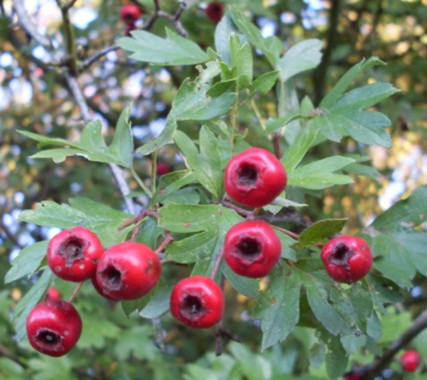
September is when summer draws to a close, but the days in the garden are still warm and long enough to stay outside until dusk. Bats can be seen overhead at this time, catching insects in flight. Our continental visitors the swifts and swallows noisily announce their departure. Hedgerow species displaying hips and berries, attracting moths, insects, birds and small mammals.
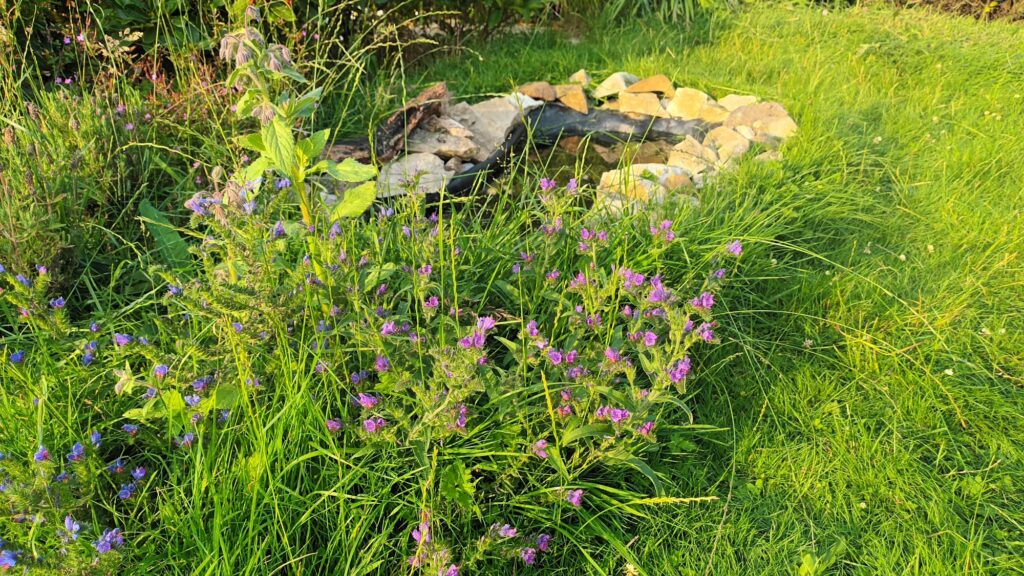
Watering. Continued spells of hot, dry weather mean it is vital to check the pond level and top up with stored rainwater. If your garden does not have a pond, then keep water bowls and bird baths topped up. Don’t forget that hanging baskets and container-grown plants will all need watering daily, normally in the evening to prevent plants from dehydrating.
Fruit and vegetable growers will be gathering in the harvest. Leave some spare fruit on the trees for wildlife; plums and pears for butterflies, apples for birds.
Cut off the faded flowers of buddleia bushes now to encourage them to keep flowering. This ensures butterflies will continue to visit the bushes well into October.
Wildflower lawns and meadows will get their final mow. Leave the cuttings on the ground for a couple of days to allow insects to find their way back. Remove the cuttings and add to compost heap.
Create a summer-flowering lawn or meadow. September is the best time of year to think about making a new wildflower section in your garden, which will flower next summer. You could allow the chosen area to grow naturally or give it a head start by sowing seed or planting plug plants. For more detail on this see our page on Creating a Wildflower Meadow.
Taking semi-hardwood cuttings from shrubs like guilder rose and honeysuckle. A semi-hardwood cutting is taken from current year’s growth. These will have a woody base, but will still be green and soft at the tip.
Cut the shoot near to the point where it meets the main stem. Snip off the lower leaves and trim the cutting just below the leaf joint. Take off the soft tip just above a leaf joint so that the finished cutting is 5-10cm long. Insert the cutting, one third of its length, is a small pot of seed compost. Water well and cover the pot. A plastic drinks bottle cut in half and placed over the pot works well as a mini greenhouse. Place the pot in a warm place but out of direct sunlight.
The cuttings should root in two or three weeks. Harden off the cuttings by gradually lifting the cover to allow more air to circulate over the next three to four weeks. Transfer the cuttings individually into larger pots. Place the pots in a cool greenhouse or cold frame. Keep well-watered. Plant outside in the spring.
Trim native deciduous hedges like hawthorn, beech, field maple or hornbeam that will benefit a clip. Carefully check no nesting birds will be disturbed. Native hedges do not need trimming every year and should only be cut to retain shape.
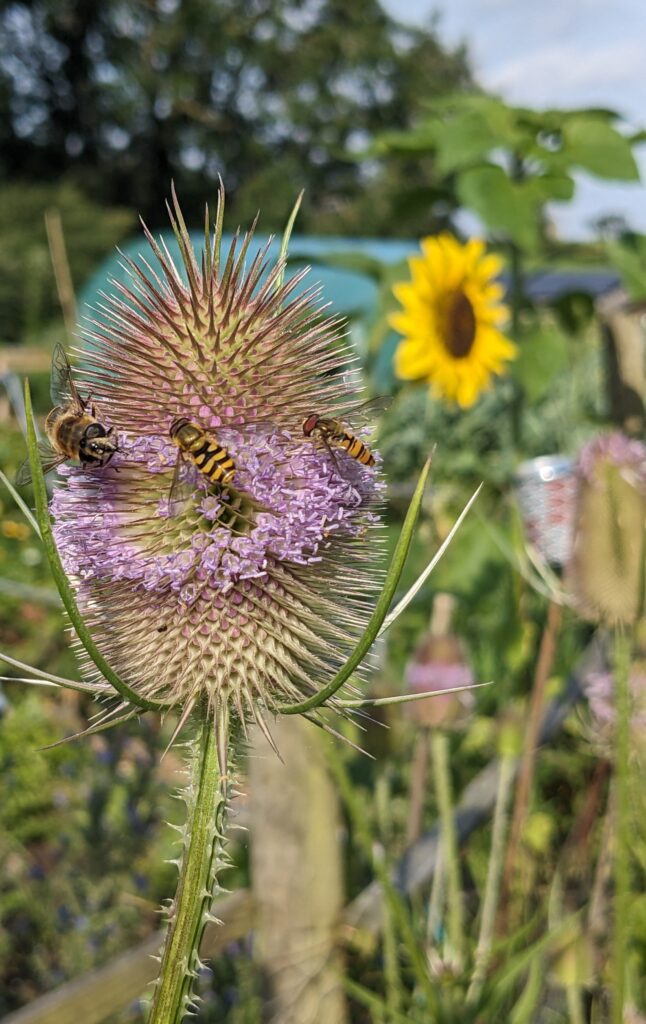
Our wildflower of September is the teasel (Dipsacus fullonum). This biennial plant can grow up to 3m and is perfect for the back of a border. The mauve flowerheads are loved by honeybees and bumblebees, while the seeds are a favourite source of food for goldfinches throughout the winter. It does drop seed readily and needs to be kept on top of. Other September plants are harebells, autumn hawkbit, yarrow, meadowsweet and cultivated sedum (autumn joy variety).