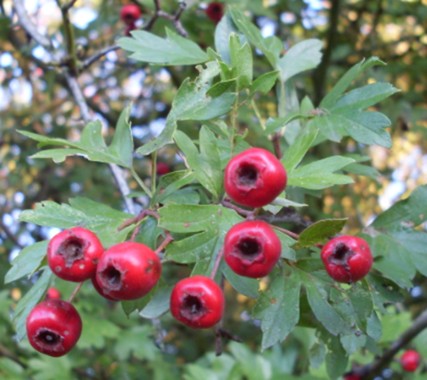
November is the beginning of the bird-feeding season. It is time to dig out the bird table and start winter feeding. Hedgerows will still be full of native plants in fruit, with rosehips and berries still available.
After Halloween and bonfire night activities:
- Collect up all pumpkins left outside; they can make wild animals ill.
- Clear up any fake cobwebs as birds can get caught in it.
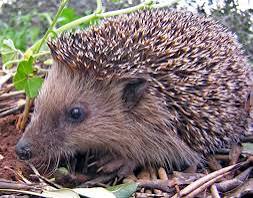
- If you have pruned branches and want a bonfire, move the pile during the day that it is due to be lit, to uncover any wildlife such as hedgehogs.
If you’re feeling lazy leave the garden to do its own thing:
- Let the garden die back naturally, this will help your resident wildlife make it through the winter months until spring.
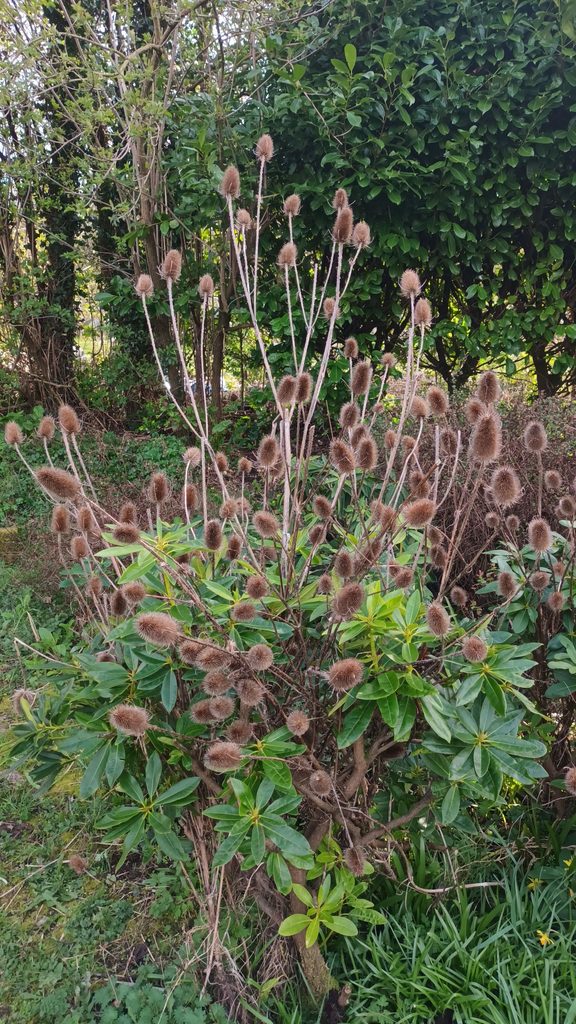
- Keep seed heads such as sunflowers and teasels in situ which will provide food and hibernation cover, or cut them and move them to a more visible place in your garden for you to see the birds feeding on the seeds.
- Leave fallen fruit for the birds and insects.
- Sweep fallen leaves under hedges or in a spare corner instead of taking them to the tip. These piles will provide cover for insects which in turn provide food for birds. Leaf piles are also useful for hibernating hedgehogs.
If you want to be active:
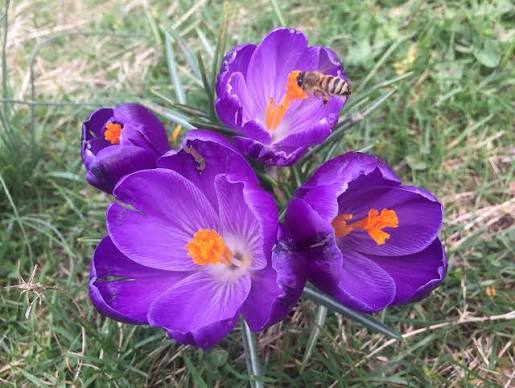
- Plant spring-flowering bulbs We try to choose native species like bluebells, crocus, ramsons garlic and wild daffodil, planting in the lawn and grassy bank areas
- Make leaf mould: Large volumes of leaves can be converted into leaf mould to use as mulch or to dig into borders: create a wire netting container by driving a single 3ft wooden post into the ground and attaching netting in a cylinder shape around it. Position in an unused corner of the garden. Firm leaves down as they accumulate and leave for a year to produce crumbly leaf mould.
- Start a compost heap: Autumn is the ideal time to do this. You will have lots of cuttings and prunings available now and these can be incorporated with the correct kitchen waste. Your compost heap should provide excellent organic matter for the garden after about 8-12 months.
If you want to make winter habitats for wildlife:
- Create a pile of logs or old timber which will soon be covered in fungi and will protect hedgehogs
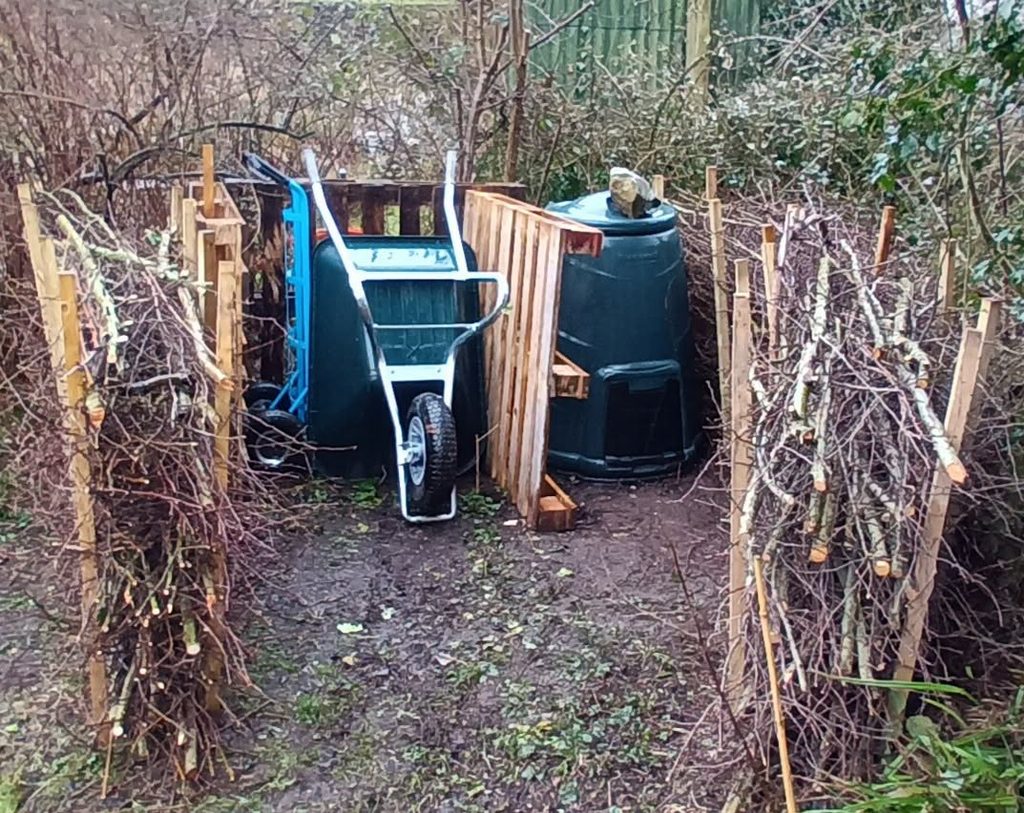
- Use your branch prunings to make a dead hedge; a good way to hide unsightly bins which will provide a home for all kinds of wildlife.
- Create a pile of rocks/stones will harbour insects, frogs and toads
- Loosely pile grass clippings to attract insects and ground-feeding birds
- Place a sheet of corrugated iron in the garden as an ideal habitat for many types of reptiles and small mammals
- Keep your pond free of leaves. Do not cover the whole pond with nettings, as frogs and toads still need to get access. Birds also need to drink and bathe.
- Clean bird feeders before refilling to prevent spreading disease.
- Build or buy a hedgehog house, to give them a home to hibernate in over winter.
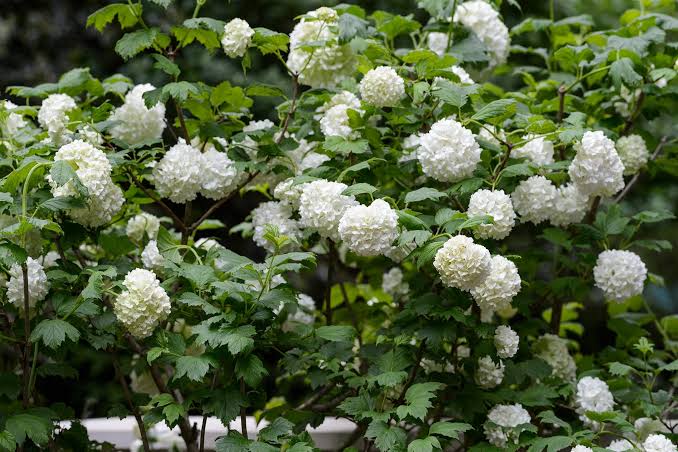
My shrub of November is the guelder rose (Viburnum opulus). This deciduous shrub is ideal for creating an informal hedge or woodland habitat. It produces creamy white flowers in early summer and clusters of bright red berries in mid-autumn to early winter.