We run a not-for-profit venture giving thousands of plug plants to local community PROJECTS. However, we do sell surplus plants and seeds; all the proceeds of which go towards covering our propagation costs. They are all grown from local seed, or from seed sourced from specialist producers, and are grown in peat free compost without any artificial fertilisers, lighting or heating. Our plants are left outside over the winter and so, although looking small in the spring, are ensured to be very hardy with good root systems. Details on how to look after your plugs are on our PLANT CARE page.
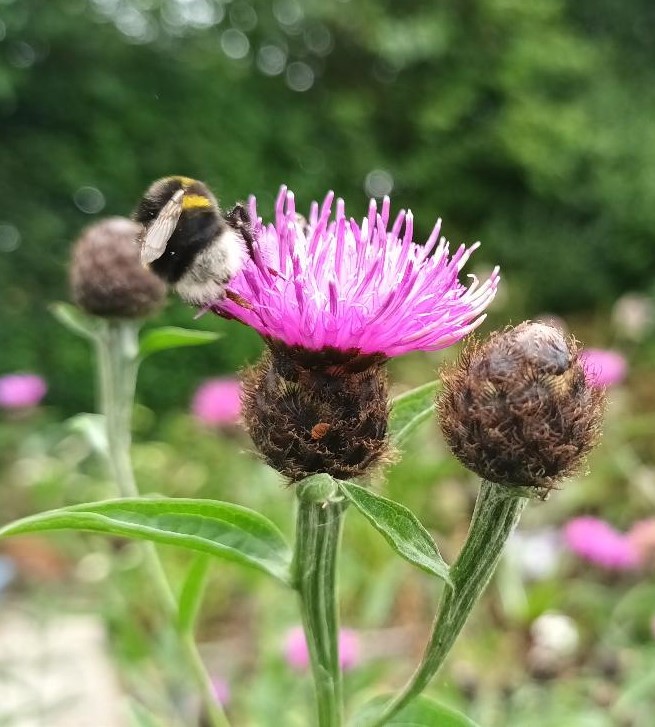
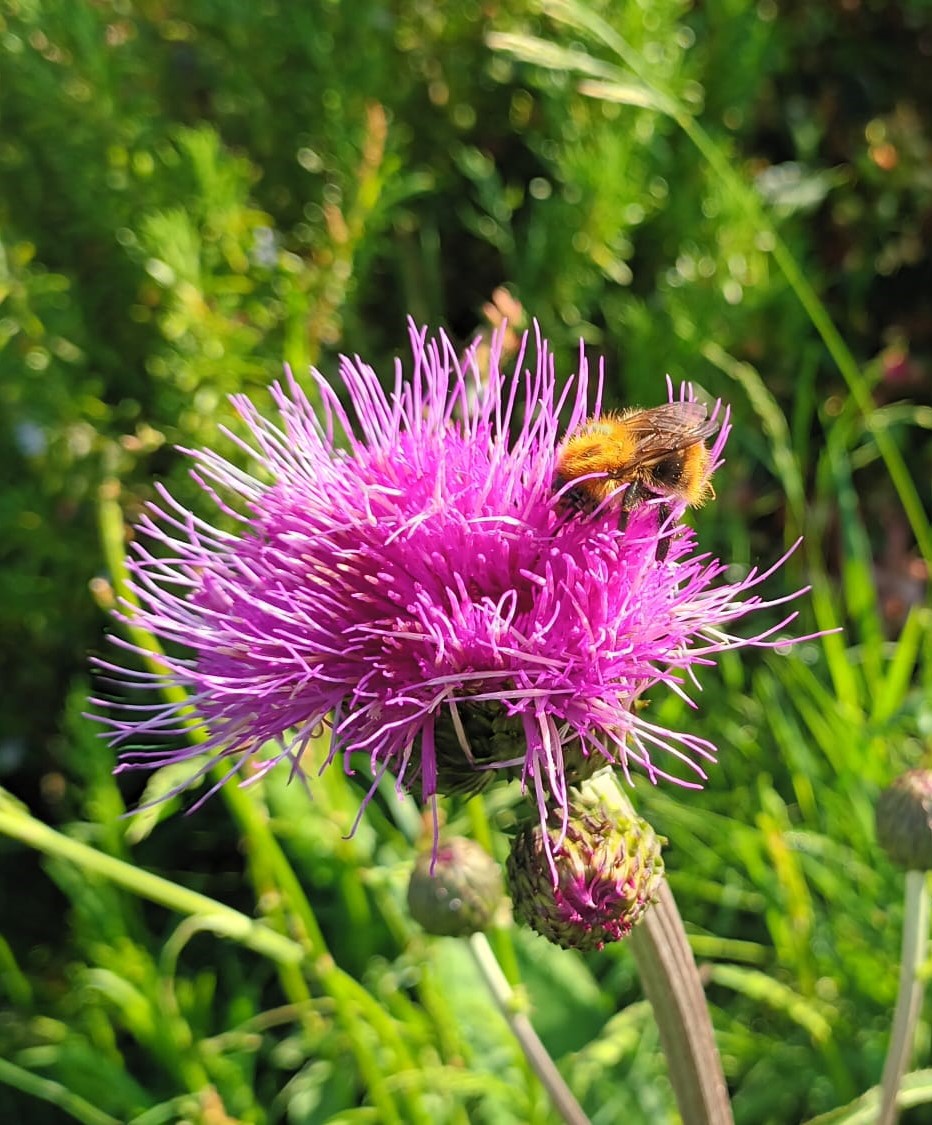
All of our plants, save one, are on the RHS Plants for Pollinators list. The only one that is not, but that we believe should be, is the melancholy thistle; a native perennial and, as can be seen here, is a real bee magnet.
Our plants for sale will change year on year as determined by the demands of nature. We also grow many other plants for local projects, so if you have a species in mind that is not on the list below, such as globe flowers, goatsbeard or tufted vetch please just ask. Pick up or local delivery only. See below for PRICES.
Betony (Betonica officinalis) : sold out, available spring 2027
Type:
Native perennial
Flowering time:
Late June to September
Height:
10-50cm
Flower colour:
Pale purple
Lighting
Sun/Partial shade
Soil
Damp well drained
Where to grow:
Flowering lawn, grassy area meadow
Care:
Cut September onwards (after seeds have dropped) to allow seed to disperse
Looks nice with:
Oxeye daisy, bird’s foot trefoil, devil’s bit scabious
Wildlife value:
A late season valuable source of nectar for bees and butterflies
Extra info:
Betony was believed to possess magical properties, offering protection against evil spirits and promoting good fortune. It was also thought to be effective against snake and dog bites and drunkenness.
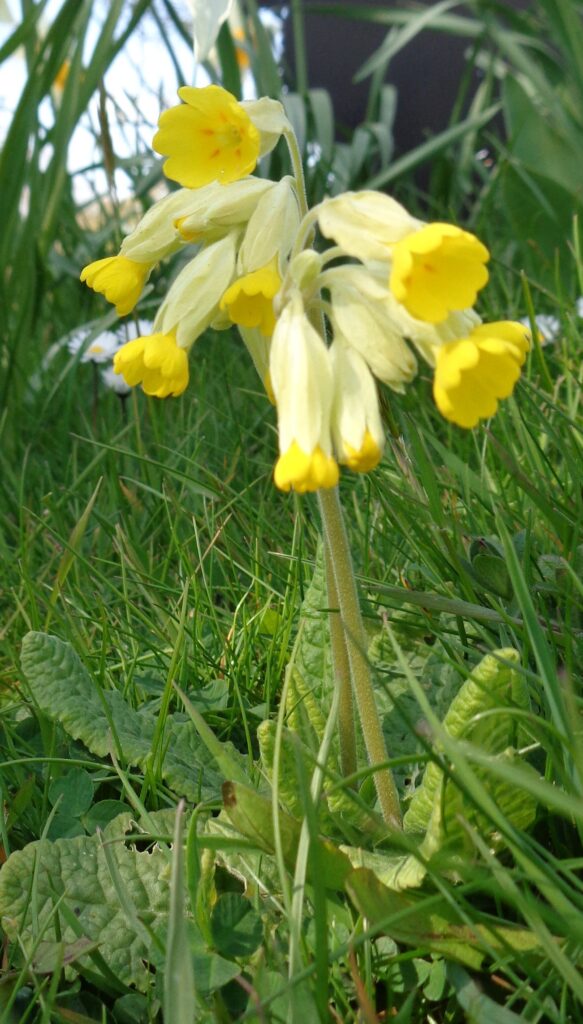
Cowslip (Primula veris): available now
Type:
Native perennial
Flowering time:
April to May
Height:
10-30cm
Flower colour:
Yellow
Lighting
Sun
Soil
Damp
Where to grow:
Flowering lawn, containers, grassy area meadow
Care:
Best planted in a damp meadow area or on south-facing bank
Looks nice with:
Bird’s-foot trefoil and betony, which will flower after the cowslips
Wildlife value:
Provides vital nectar for early-season pollinators like bees and butterflies
Extra info:
Name derives from the old English folklore probably because the cowslip was often found where a cow had ‘slupped’.
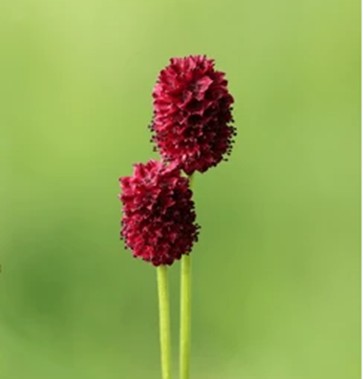
Great Burnet (Sanguisorba officinalis): sold out, available spring 2027
Type:
Native perennial
Flowering time:
June to September
Height:
From 1m to 1.5m
Flower colour:
Deep red
Lighting
Sun/partial shade
Soil
Damp soil
Where to grow:
Damp grasslands, pond margins and flower beds
Care:
Cut area October onwards
Looks nice with:
Meadowsweet
Wildlife value:
Attracts a variety of pollinators later in flowering season
Extra info:
The latin name comes from the words ‘Sanguis‘, meaning blood, and ‘Sorbere‘ meaning to absorb. The roots of the great burnet were traditionally used to stop bleeding.
Common/Black Knapweed (Centaurea nigra): available now
Type:
Native perennial
Flowering time:
June to October
Height:
20 to 100cm
Flower colour:
Reddish-purple
Lighting
Sun/Partial shade
Soil
Any but prefers well drained soil
Where to grow:
Flower bed, summer meadows, wild areas and hedgerows
Care:
Needs cutting back in September or October
Looks nice with:
Oxeye daisy
Wildlife value:
Favoured by many butterflies (inc. common blue and marbled white), also bumblebees, flies, moths and beetles
Extra info:
Knapweed is named after the Middle English ‘knopweed’, meaning a plant with a ‘knop’, referring to the plant’s hard brown flower buds.
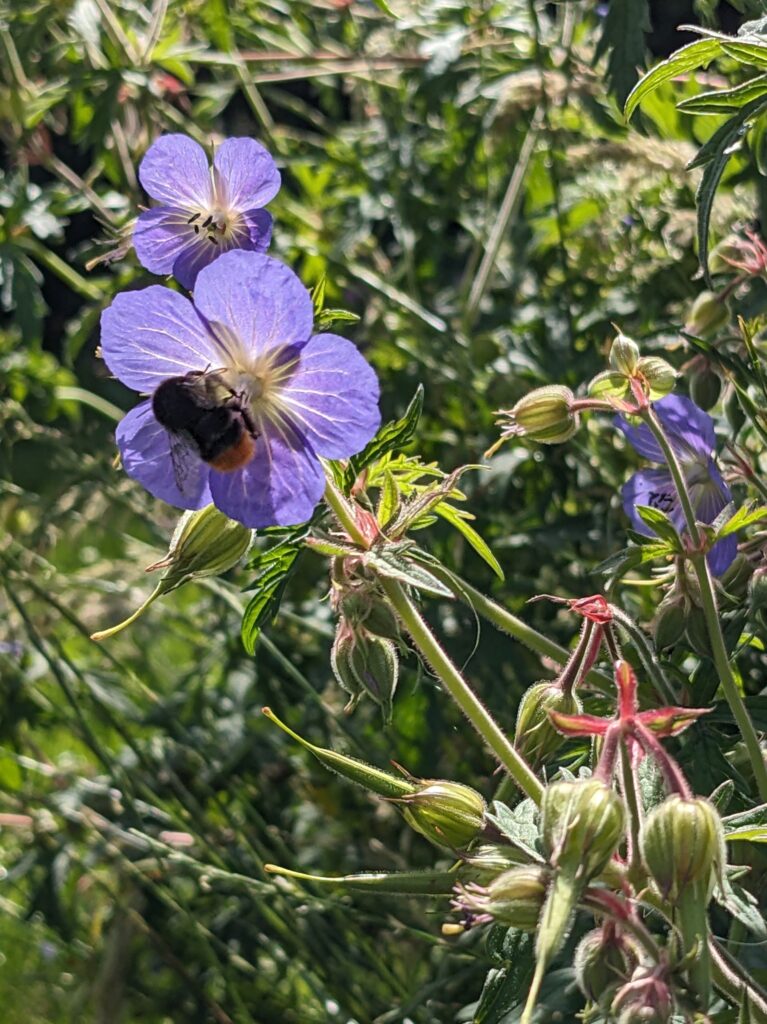
Meadow Cranesbill (Geranium pratense): sold out, available spring 2027
Type:
Native perennial
Flowering time:
June to September
Height:
60 to 90cm
Flower colour:
Blue/Purple
Lighting
Sun/Partial shade
Soil
Prefers well drained soil
Where to grow:
Flower bed, meadow area
Care:
Cut back after flowering to provide more blooms later in season.
Looks nice with:
Meadowsweet
Wildlife value:
Essential meadow species for pollinators, such as bees and butterflies
Extra info:
Meadow Cranesbill has been traditionally used for its astringent properties, helping to constrict tissues and stop bleeding. In some regions, especially in Northumberland, it is known as “thunder flower”; picking it is said to cause bad weather.
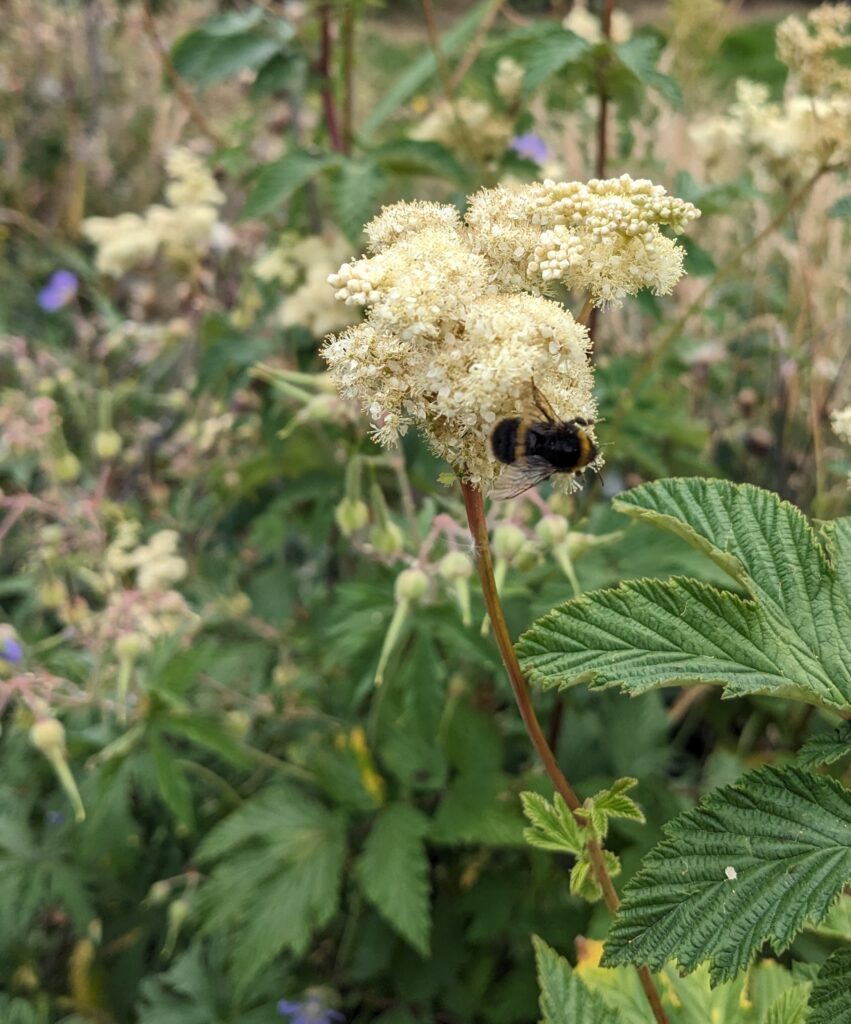
Attracts a wide variety of pollinator insects, especially hoverflies
Extra info:
The name refers to its use as a flavouring for mead and other drinks. It is also used to make a tea. Traditionally it was scattered on floors to freshen up medieval houses.
Melancholy Thistle (Cirsium heterophyllum): available now
Type:
Native perennial
Flowering time:
June-August
Height:
45-120cm
Flower colour:
Purple
Lighting
Full sun
Soil
Damp
Where to grow:
Meadow/grassy areas
Care:
Do not mow/strim unless trying to restrict growth/spread
Looks nice with:
Oxeye daisy, meadow sweet
Wildlife value:
Bumblebees, flies, butterflies, moths and beetles
Extra info:
Melancholy is one of our favourite plants and we are on a mission to make it more abundant. It is a striking feature in anyone’s garden; easily recognisable for its non-spiny stem, grey undersided leaves and its beautiful flowers that are loved by bees. It is often seen along streams and can be seen in the Hermitage Meadow Fields at the Crook O’Lune https://hermitagefieldcommunitymeadow.com/ Its name is thought to derive from its juices being used to treat “melancholia” (depression); making a man “as merry as a cricket”.
Oxeye Daisy (Leucanthemum vulgare): available now
Type:
Native perennial
Flowering time:
June-August
Height:
20-75cm
Flower colour:
White
Lighting
Full sun
Soil
Any soil, but prefers well drained. Seems to do well when the soil has nitrogen.
Where to grow:
Flower bed, container, meadows. Seen on roadsides due to higher levels of nitrogen.
Care:
Needs cutting back in July or August. Prolific growing will decline as they use up the nutrients.
Looks nice with:
Common knapweed
Wildlife value:
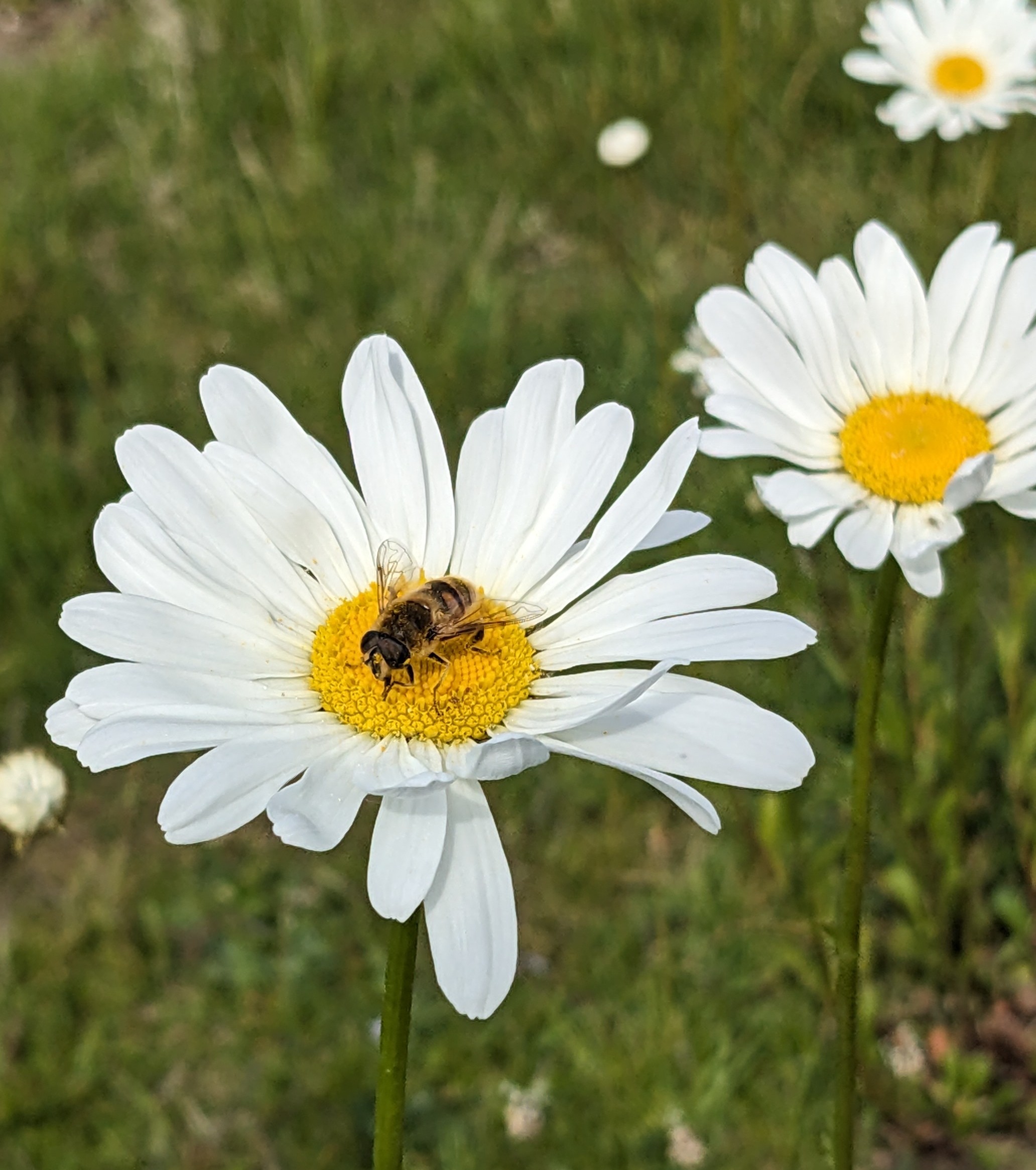
Bumblebee, butterflies, flies and beetles
Extra info:
‘Daisy’ is derived from Old English, as people used to call the flower “day’s eye”. Its botanical name derives from Greek meaning “Common white flower”. They have been used since Ancient Egyptian times and are said to have a calming effect on the mind and body, helping to reduce stress and anxiety.
Purple Loosestrife (Lythrumsalicaria): available now
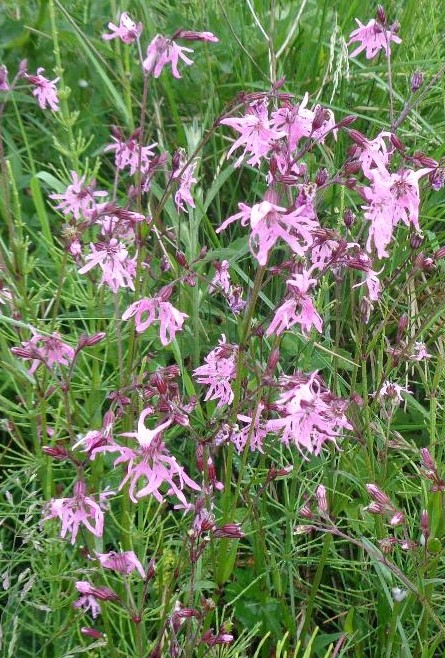
Ragged robin (Silene flos-cucilli): available now
Type:
Native perennial
Flowering time:
May to late season
Height:
Up to 75cm
Flower colour:
Pink
Lighting
Full sun
Soil
Moist/well drained
Where to grow:
Wet grassland, pond edges, ditches and stream banks
Care:
Cut back and clear after flowering and seeding
Looks nice with:
Purple loosestrife
Wildlife value:
Bees, flies, dragongflies and butterflies
Extra info:
In Shakespeare’s play “Hamlet,” the plant was referred to as “crowflower” and included in Ophelia’s garland, suggesting a symbolic association with naivety and ingratitude.
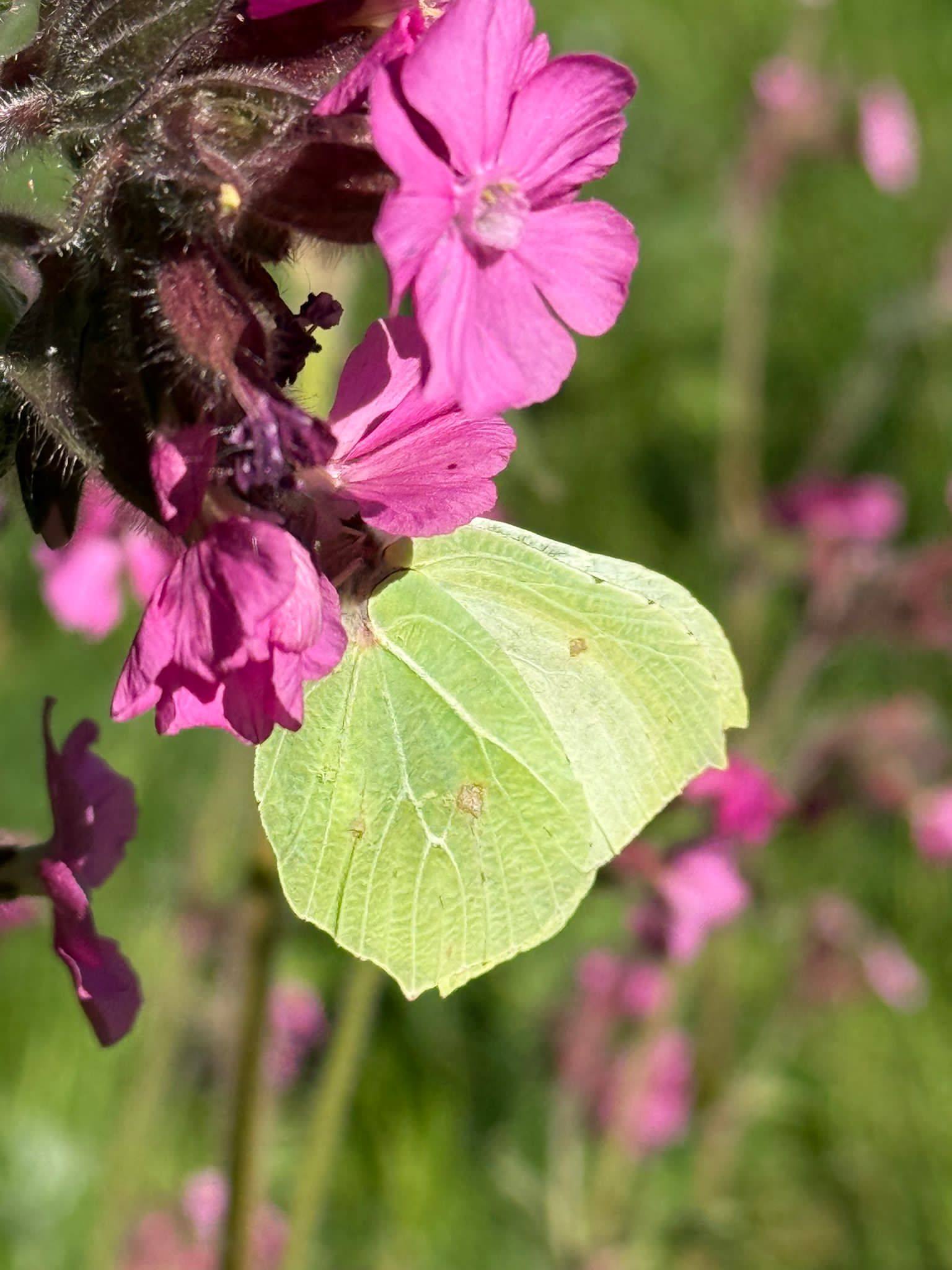
Red Campion (Silene dioica): available now
Type:
Native perennial
Flowering time:
April to October
Height:
Up to 80cm
Flower colour:
Bright rose pink
Lighting
Partial shade
Soil
Prefers damp soil.
Where to grow:
Wild areas and garden hedgerows
Care:
Cut back and clear after flowering and seeding.
Looks nice with:
Foxglove
Wildlife value:
Butterflies
Extra info:
‘Campion’ is a variant of ‘champion’; in classical times the rose campion was woven in garlands used to crown victors. Folklore tells that red campion flowers guard bees’ honey stores, as well as protecting fairies from being discovered.
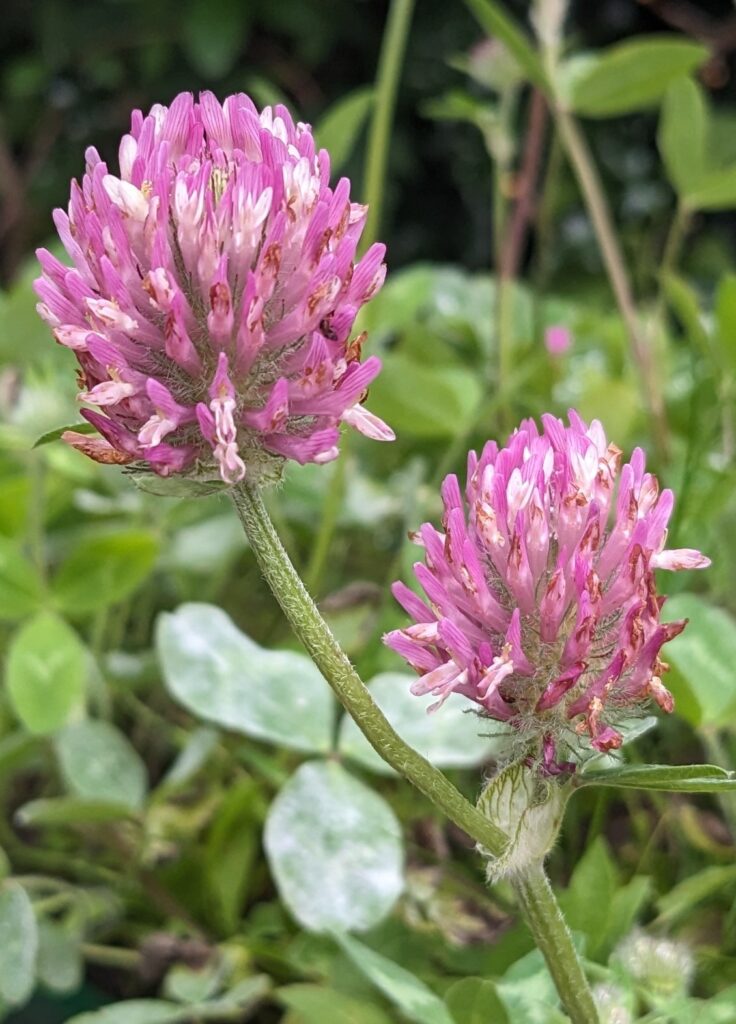
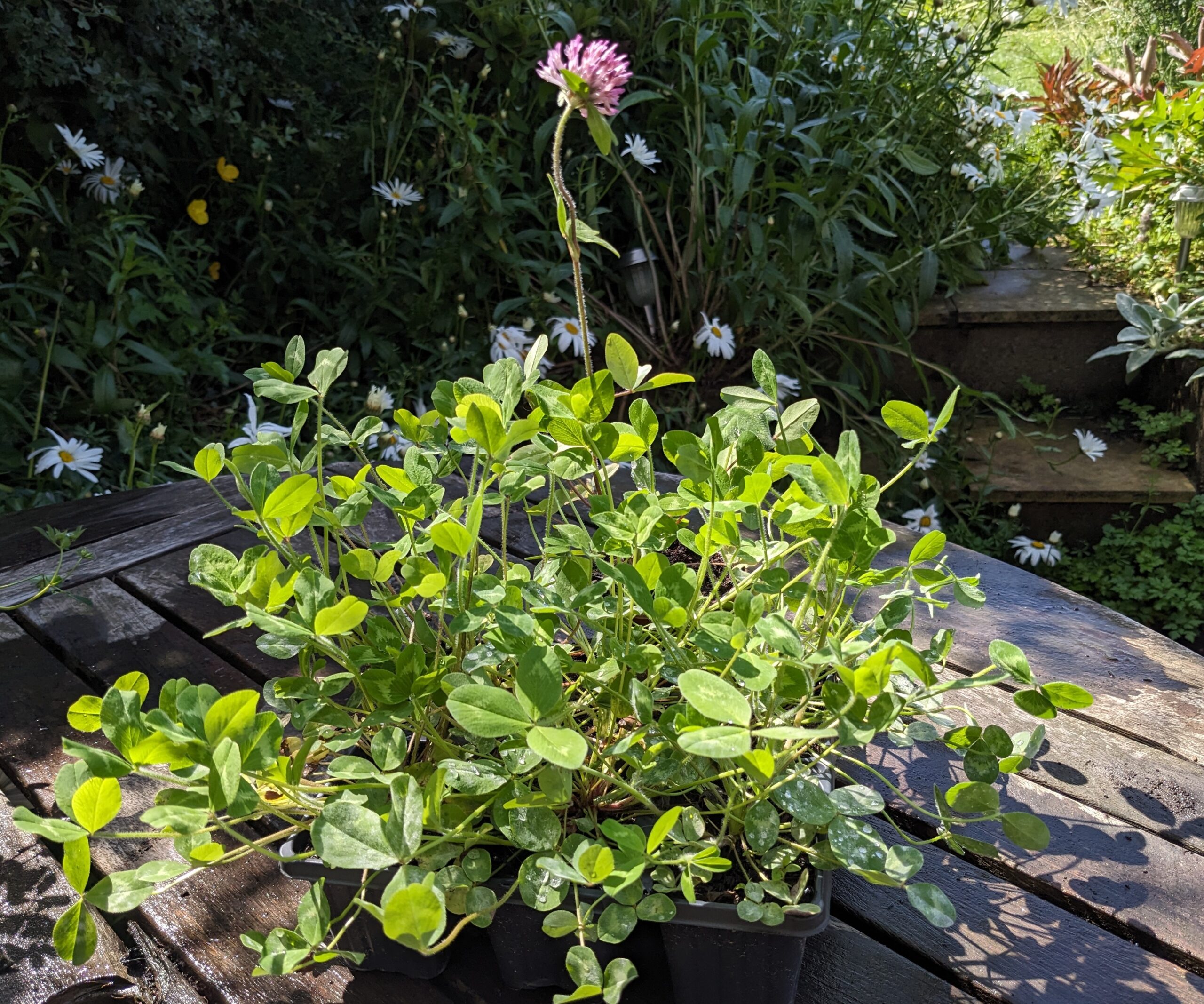
Red Clover (Trifolium pratense): available now
Type:
Native perennial
Flowering time:
Late April to September
Height:
30-50cm
Flower colour:
Red/purple
Lighting
Sun/partial shade
Soil
Well-drained or dry
Where to grow:
Clovers grow well in a border, wild areas, containers and flowering lawns and are an essential plant for a summer meadow.
Care:
The roots of clover convert nitrogen from the air into salts that are essential for naturally enhancing soil fertility. Ideal for use on an allotment as a green-manure crop.
Looks nice with:
Bird’s foot trefoils and meadow vetchlings
Wildlife value:
Their pollen and nectar is the most important forage plant for bees
Extra info:
In the 19th and 20th centuries, clover accounted for three-quarters of the entire UK honey harvest!
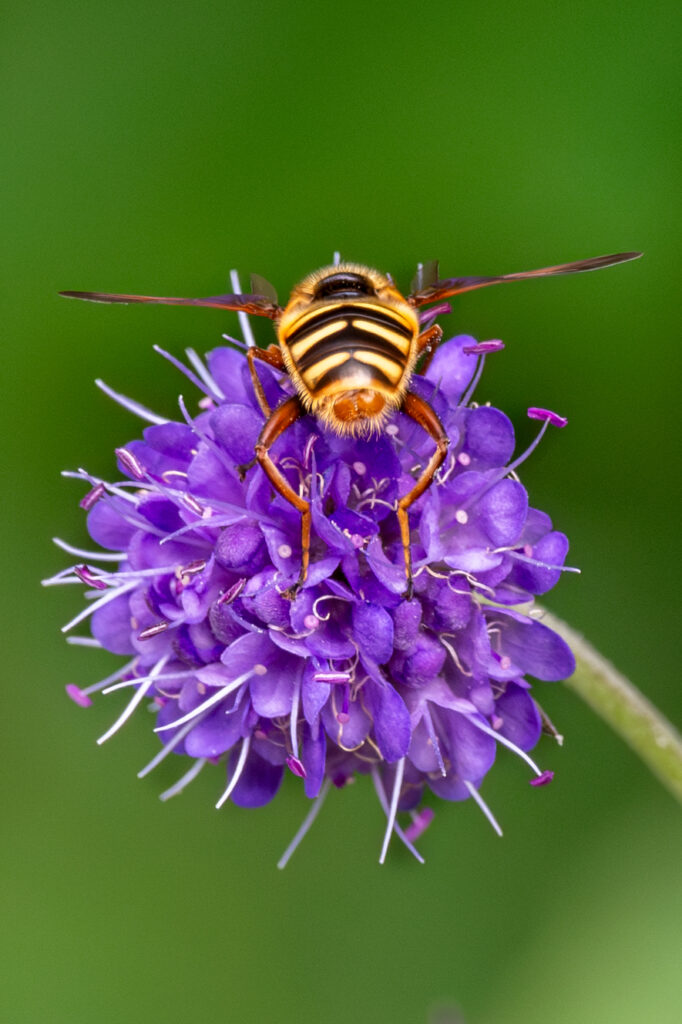
Scabious, Devil’s Bit (Succisa pratensis): sold out, more in spring 2027
Type:
Native perennial
Flowering time:
July – November
Height:
30-90cm
Flower colour:
Lilac-blue
Lighting
Sun/partial shade
Soil
Tolerant of ordinary soil, this plant thrives more on slightly acidic soil
Where to grow:
Ideally suited in garden herbaceous borders, or damp meadow areas.
Care:
Does not flower until four years old.
Looks nice with:
Betony
Wildlife value:
Offers both nectar and pollen during the late summer and autumn, supporting pollinators as they prepare for winter when other food sources are scarce. Foodplant for the declining March Fritillary butterfly.
Extra info:
The name derives from the story of the devil being furious at the success of this plant in curing all human ailments. The devil preferred humans to suffer and so bit away part of the root, hoping to put an end to its good work. The devil left the plant with the abruptly shortened root we see today. The genus name “Scabiosa” comes from the Latin word “scabies,” meaning itch, reflecting its historical use for treating skin conditions like scabies and hives.
Wild teasel (Dipsacus fullonum): available now
Type:
Native biennial
Flowering time:
July to August
Height:
Up to 200cm
Flower colour:
Green with purple
Lighting
Full sun/partial shade (not full shade)
Soil
Prefers damp soil but can also grow in poor dry soil
Where to grow:
Plant at back or corner of border area, wild areas and hedgerows. Could work well alone in a container.
Care:
Cut off seed heads to limit spreading or leave alone for important wintering habitat
Looks nice with:
Common knapweed
Wildlife value:
Bees, butterflies (including Red Admirals), moths and birds (especially goldfinches who love the seed heads)
Extra info:
The plants spiny heads were historically used to tease materials in the textile industry, “raising the nap” (drawing out fibres) of fabrics. See our blog for more details of how it was used in the milling industry.
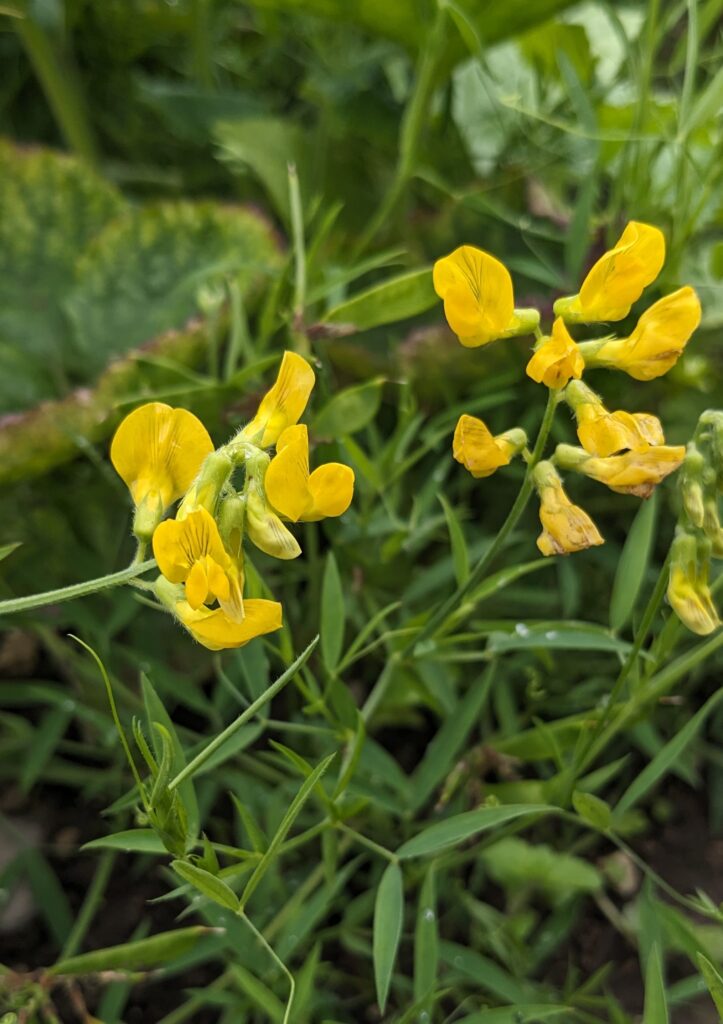
Vetchling, Meadow (Lathyrus pratensis): sold out, more in spring 2027
Type:
Native perennial
Flowering time:
May – August
Height:
Up to 100cm
Flower colour:
Yellow
Lighting
Sun
Soil
All soils, especially moist
Where to grow:
Best wild corners of gardens, using other plants for support. Grows well in pots as a trailing plant.
Care:
Like clovers, this leguminous species enriches soils by its nitrogen-fixing properties.
Looks nice with:
Scrambling plant works well with oxeye daisy
Wildlife value:
Source of nectar attractive to pollinators
Extra info:
Member of the pea family. In folklore meadow vetchling is often associated with love, passion, and loyalty, with some traditions suggesting that a bouquet of the flowers can ensure a lasting relationship.
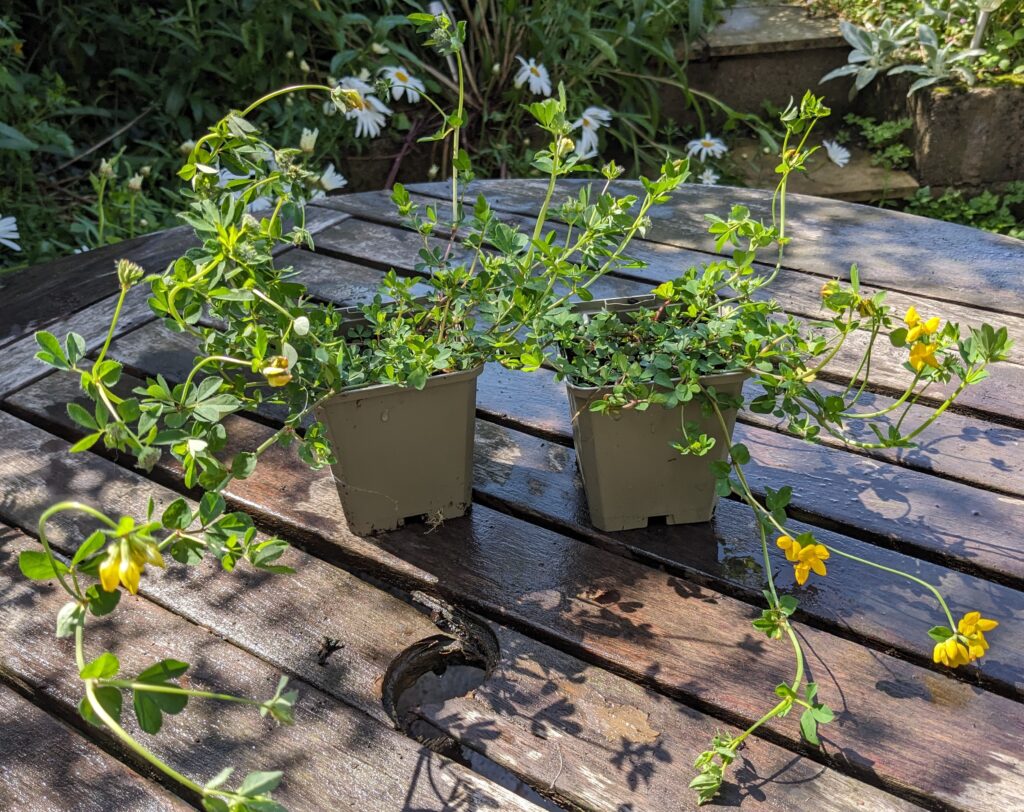
Common Birdsfoot Trefoil (Lotus corniculatus): available now
Type:
Native perennial
Flowering time:
June to September
Height:
10-30cm
Flower colour:
Yellow/orange
Lighting
Full sun
Soil
Dry/well drained
Where to grow:
Short flowering lawn, borders, meadow, container or hanging basket
Care:
Cut September onwards to allow trefoil seed to disperse
Looks nice with:
Red clover, oxeye daisy, common knapweed
Wildlife value:
Bumblebees, butterflies, moths, beetles and flies
Extra info:
One of the more evocative names for common bird’s-foot-trefoil is ‘Granny’s toenails’, due to the claw-like seed pods. Other common names include ‘eggs and bacon’, and ‘hen and chickens’, due to the egg-yolk yellow flowers and reddish buds.
Viper’s Bugloss (Echium vulgare): available now
Type:
Native biennial
Flowering time:
June to September
Height:
Up to 100cm
Flower colour:
Vivid blue, trumpet shaped
Lighting
Sun/partial shade
Soil
Moist, well drained soil or dry
Where to grow:
Grassland and bare disturbed soil, flower bed and containers.
Care:
Dead-heading the plants will extend the flowering season. The seed heads are spiky.
Looks nice with:
Oxeye daisy and meadow sweet in flower bed, bird’s foot trefoil in container
Wildlife value:
Bees, flies, moths, beetles and butterflies
Extra info:
In various cultures Viper’s Bugloss has been seen as a symbol of resilience and protection. The flower’s ability to thrive in poor soils and challenging conditions made it a metaphor for endurance. It is not native to limestone areas.