October is the month where the wildlife garden enjoys the last warm spells of summer. It is also a busy time for planning and planting, not only planning the layout of next year’s garden, but to ensure garden residents and visitors have everything they need to get them through winter months. Making your garden healthier and more wildlife friendly doesn’t have to cost you anything:
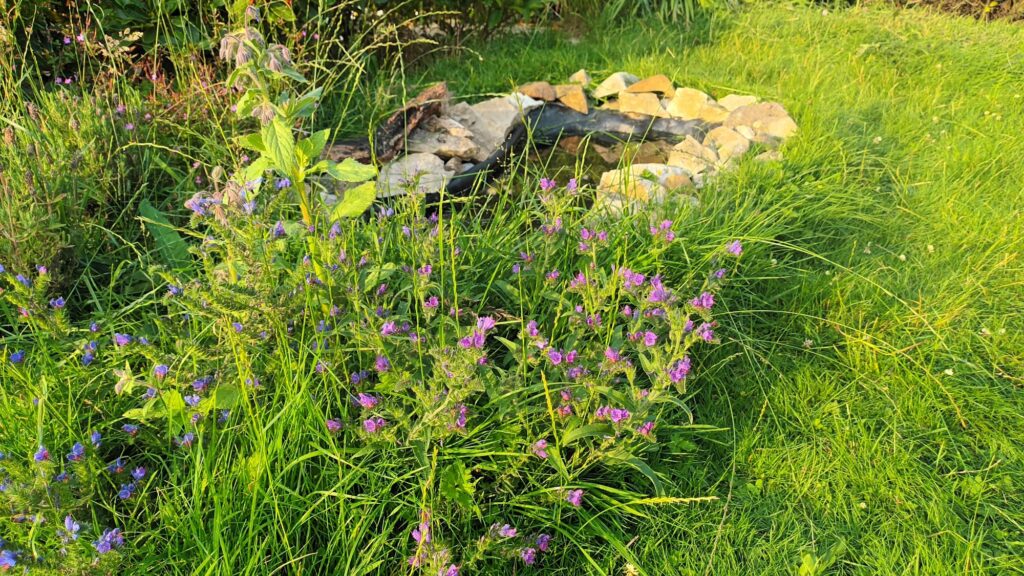
Propagate your current stock: With UK Springs becoming warmer and drier, Autumn is now the best time to sow/ plant the seeds, bulbs and offcuts you have collected from your current garden stock. In Autumn the ground is still warm, less watering will be required and there is less competition from weeds. Native wildflowers are pest resistant so planting now will give them more time to establish roots, improving the health of your soil, before growing stronger in the Spring and creating an early-season feeding station for pollinators emerging from hibernation.
Planting divided bulbs: Ensure bulbs grow in natural drifts by throwing a handful of bulbs onto the ground and planting where they land. Use a specially designed bulb planter on grass. The hole should be approximately twice as deep as the selected bulb. Bulbs will take two or three years to get established.
Plant out biennial and perennials cuttings: These will be next year’s border and container garden flowers. You could also set a small part of your garden aside to create a mini meadow creating a focus point for colour and pollinators. An area of just 2x3m is sufficient. See how to do this here.
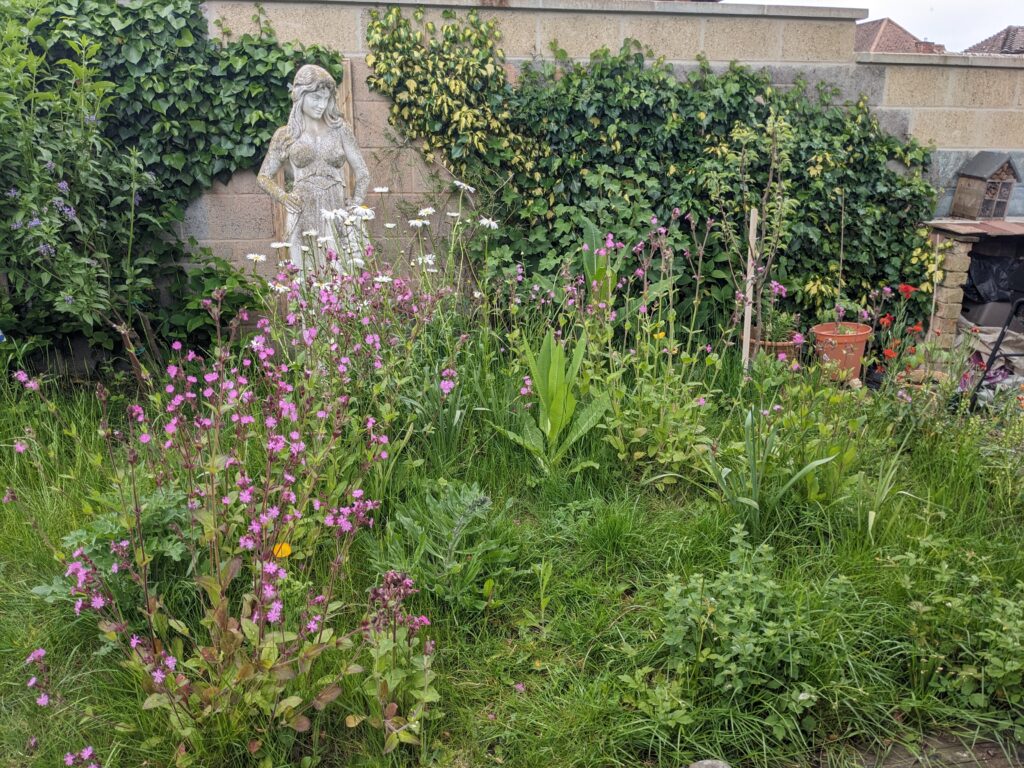
Mulch garden beds and borders using well-rotted manure and avoid collecting up any leaves. This should improve the soil and keep areas weed free until spring planting. Autumn rain will drain nutrients down into the soil below. Extra material will boost wildlife habitat, increase the insect population and provide food for garden birds.
Save on expensive fencing by creating a dead hedge in an area you want to obscure such in front of recycling bins. Place all unwanted pruning offcuts in a pile between a supporting structure of wooden posts. This will create a natural fence and is a perfect way to create a home for insects and small mammals.

Take hardwood cuttings of shrubs and trees: Cuttings are taken when these plants are just starting their period of winter dormancy. Take cuttings from a number of species and prepare a nursery bed where they can grow on disturbed for a year. Ideally the area must be sheltered and clear of stones and weeds. A hardwood cutting is taken from current year’s growth. These will have a woody base but still be green and soft at the tip. Cut the shoot near to the point where it meets the main stem and trim to approx. 30cm long. Do not disturb the soil for 12 months, water only during dry spells and keep the area, weed free. By following autumn, cuttings should have rooted and can be transplanted to pots or garden.
Our wildflower of October is the sedum (Sedum spectabile)
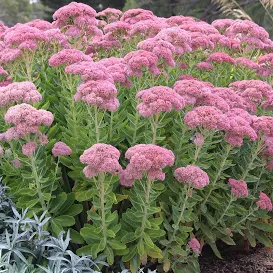
This perennial produces pink, crimson or mauve flowers and prefers full sun in garden borders. Butterflies and bees flock to sedum, in search of nectar. The wide flowerheads remain intact into late autumn, becoming food for birds like goldfinches. Plant out small pot-grown ‘Autumn Joy’ variety, in mid-autumn.