
Did you know that the perennial herb oregano is also known as wild marjoram and is native to the UK, although its scent is slightly different to the oregano grown in the Mediterranean. Used in in Greek and Italian cooking, flavouring everything from tomato-based sauces to pizzas, salads and grilled meats, its name derives from the Greek words meaning ‘mountain joy’ and describes the great displays of flowers the plants create on Greek mountain sides.
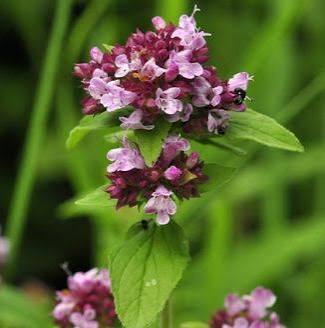
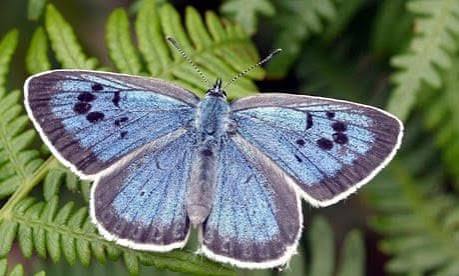
Wild marjoram flowers from July to September, growing up to 80cm tall. The flower has dense clusters of small, reddish purple, and very occasionally white, flowers. It is an important pollinator-friendly plant and is of high value to bees (Common carder bumblebee) and butterflies, including the caterpillar of the rare British Large Blue butterfly.
Wild marjoram can be found on verges, grassland and woodland margins, and particularly in limestone areas. It prefers full sun and dry soils. It is ideally suited in your garden, from informal wildlife areas to cottage garden flower borders. It can also be grown in containers, hanging baskets, herb beds and gravel beds.
For allotment holders, wild marjoram is recommended on vegetable patches as a companion plant, diverting pests from tomatoes.

Wild marjoram can propagate by seed sown in the spring. Propagation can also easily be done by taking softwood cuttings in early summer or dividing existing plants in autumn or spring.
Interesting facts:
- Marjoram or sweet marjoram (Origanum majorana) is a half-hardy perennial sub-shrub with white tubular flowers in summer and originates from the Mediterranean and Turkey