July is the time of plenty at every level of the garden ecosystem. As your garden flowers and night-scented plants reach their peak, bees, butterflies and moths feed on the nectar. Caterpillars feed on the leaves and young hedgehogs feed on slugs and beetles. Bats and birds such as blue tits and swallows feed on the insects.
Watering. Although there is plenty of food available, spells of hot, dry weather mean it is vital to keep water bowls and bird baths topped up. Hanging baskets and container-grown plants will all need watering daily, normally in the evening to prevent the plants from dehydrating.
Top up with liquid feed at fortnightly intervals, your plants in hanging baskets, tubs and window boxes.
Tie in the new growths of climbing plants such as honeysuckle or clematis. If they are not tied in the shoots become tangled and may not grow in the desired direction.
Cutting the summer flowering lawn or meadow. July is the time to give the established early summer flowering area of your garden its annual cut. When flowering is over cut down the grass to 10cm (4”). Leave the cuttings to dry in place for a day or so as this allows the insects time to return to the flowering area and for any seeds to fall back to ground. Then rake the cuttings and add (sparingly) to the compost heap or use as a mulch around shrubs and trees. If you have late summer flowers then leave the cut until the autumn.
Butterfly Count. As the butterfly season gets into full swing, now is the time to carry out a butterfly species survey. Note which plant species are visited most and include more of these plant species next season.
The ideal butterfly garden would include a wide range of flowering species, with early and late sources of nectar for butterflies. Spring flowers help butterflies coming out of hibernation and autumn flowers help butterflies build up their reserves for the following hibernation or for the return journey to southern Europe or Africa. Even a window box filled with butterfly-friendly species contributes to helping local populations. Place or sow the same species of plants in clumps to ensure the butterflies do not lose energy visiting flowers far apart. Prolong flowering by deadheading flowers, mulching and watering to keep plants healthy for as long as possible.
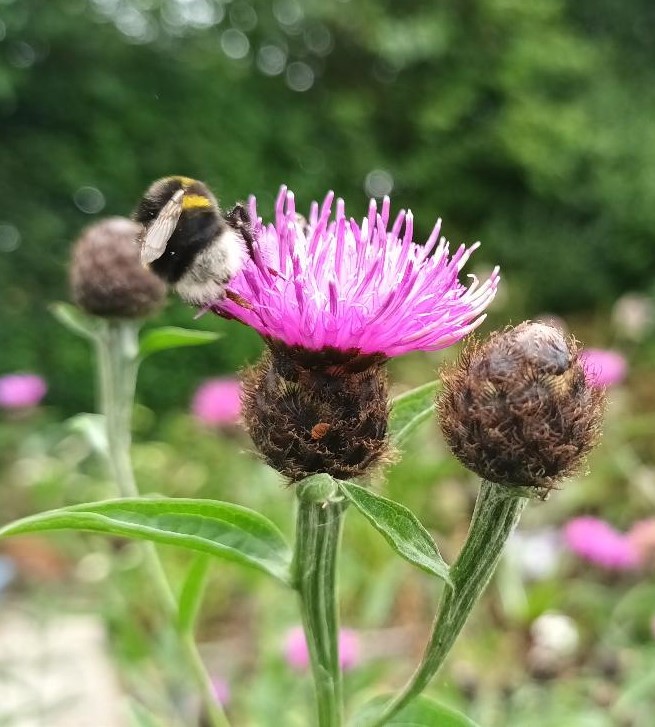
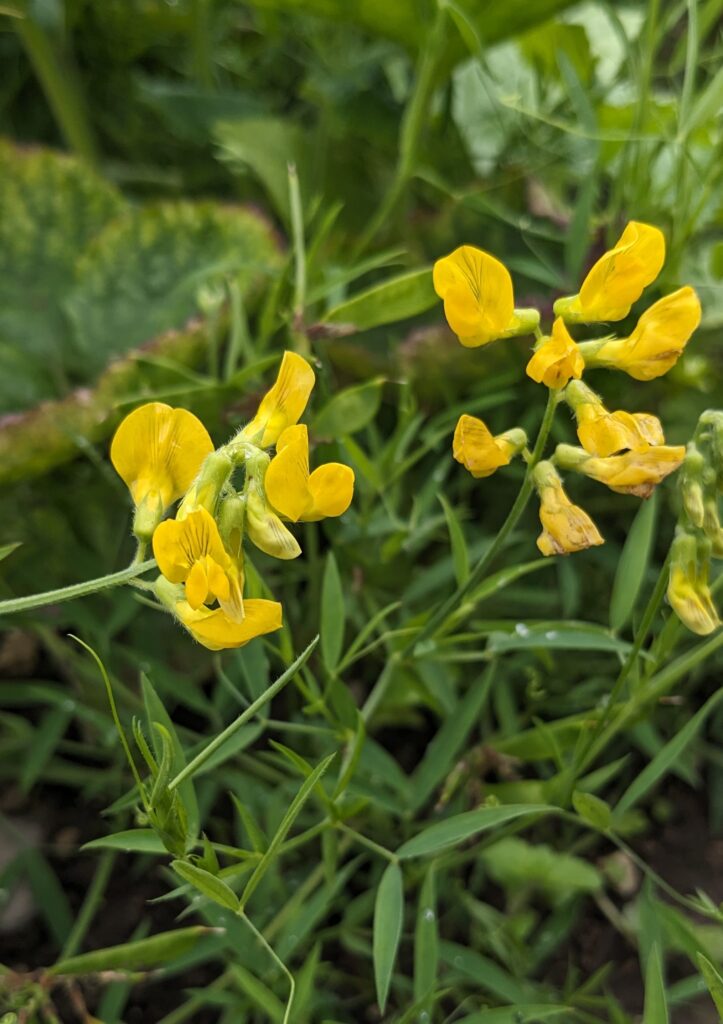
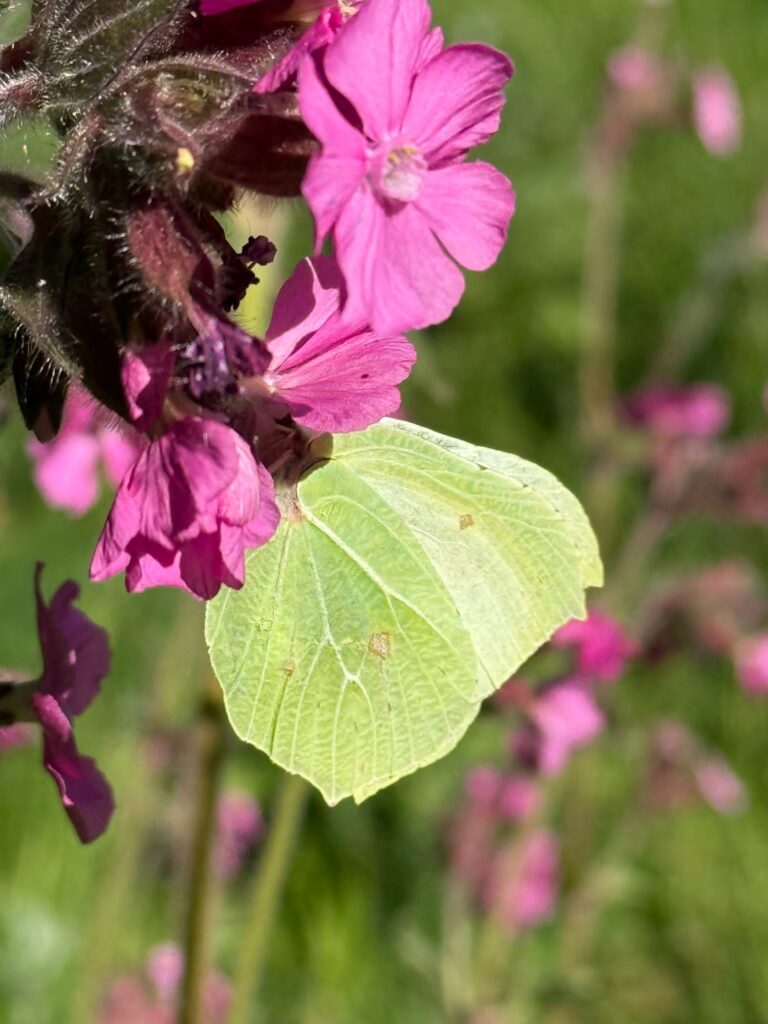
The Butterfly Conservation charity lists the best source plants for nectar and caterpillar food:
- Spring (March to April) – Bugle, Forget-me-not, Honesty
- Summer (May to June) – Birds-foot trefoil, Bush vetch, Cranesbill, Red campion, Lavender, Wild marjoram, Common honeysuckle
- Autumn (July to November) – Bramble, Buddleia, Ice plant/Sedum, Ivy, Common knapweed, Scabious, Thistles, Verbena, Viper Bugloss.
Caterpillar Foodplants: Birds-foot trefoil, Garlic mustard, Honesty, Cuckoo flower, nettle, thistles
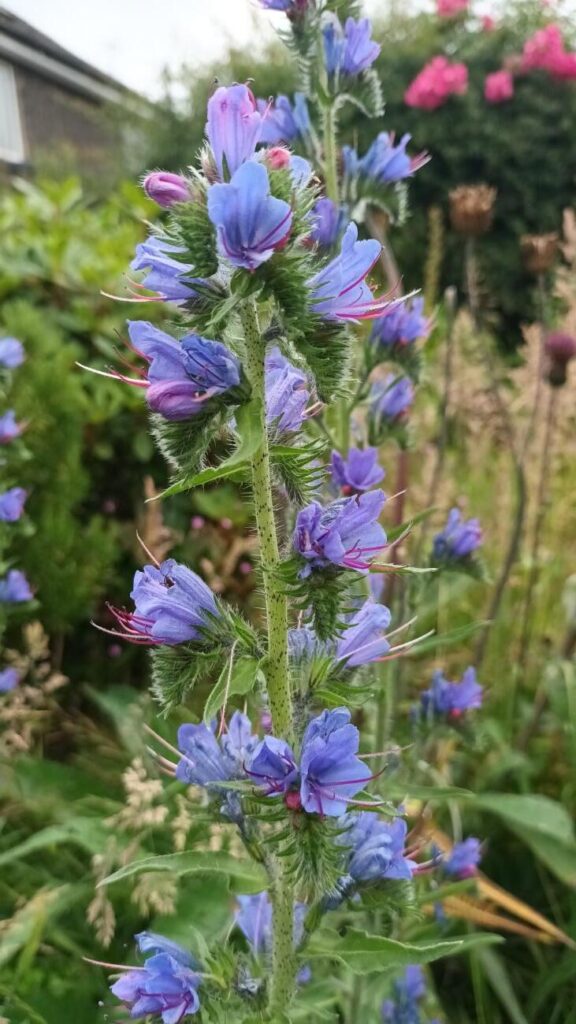
Our wildflower of July is the Vipers Bugloss (Echium vulgare). This tall growing biennial is arguably our garden bumblebees’ favourite wildflower and a nectar magnet for butterflies and moths. Its bright blue/pink trumpet flowers give a lovely show throughout the summer. Drought resistant, bugloss have a large tap root.