June is early summer, and your wildlife garden is alive to the sound of parenting duties. Young hedgehogs are being born and their parents will be feeding at night. In the pond, tadpoles are turning into adult frogs. Resident bird species like blackbirds may already be starting their second brood. Above your garden, bats will also have produced offspring, and the adults can be seen swooping around the house at dusk to feed.
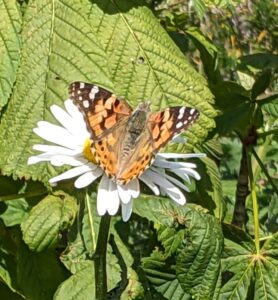
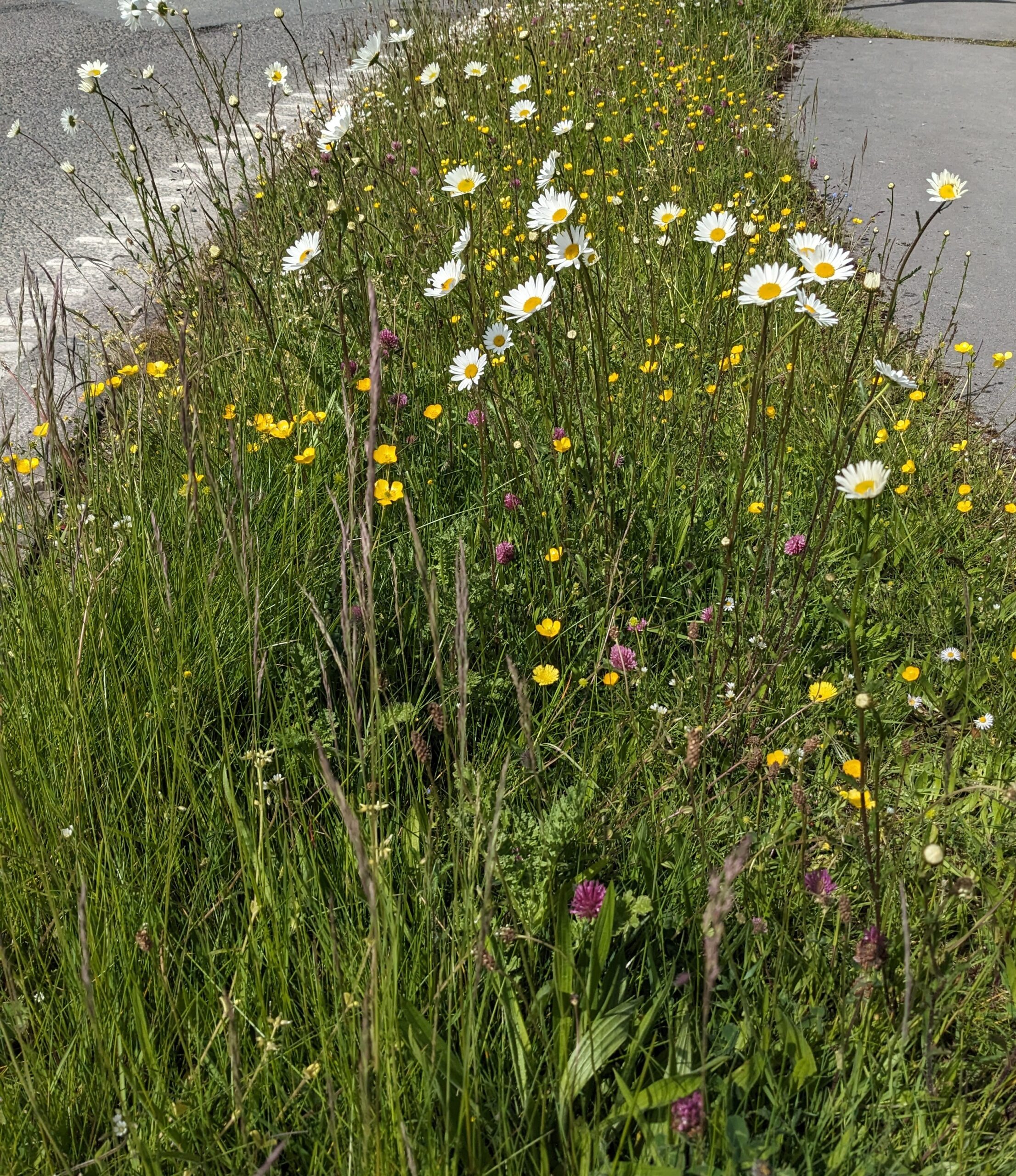
If you had noticed an increase in the insects and birds in your garden during No Mow May why not continue helping nature with “Let it Bloom, June”? You only need to leave small patch of the garden to bloom.
Provide extra food for hedgehogs. During dry spells hedgehog traditional food of slugs and snails may not be easily available. Each night, give them an artificial diet boost with a small saucer of tinned pet food and water. Do not feed them bread or milk which will upset their digestive systems.
Fledgling birds. Please do not be tempted to ‘rescue’ baby birds which appear to have been abandoned by their parents. They have probably fallen from the nest before they are able to fly and the parents are near at hand, feeding them at regular intervals.
Lifting and dividing bulbs. When the spring bulbs like bluebells, daffodils, crocuses and tulips have finished flowering and the leaves have begun to die back, they can be lifted to increase the number of plants. Choose clumps that have been undisturbed for at least three years; a poor show of flowers indicates that the bulbs are becoming congested underground.
Clear pond of algae and pondweed. Take the excess growth out and lay beside the pond to allow insects and water snails to return to pond. You can then add the vegetation to your compost heap.
Cut down half the nettle patch. Provide new growth for the next generation of butterflies like commas and red admirals.
Sow biennials. Many useful flowering plants can be started off now from seed for flowering next year. Sow them in pots or nursery beds and leave in lightly shaded position. Plant out in the autumn and they will flower next spring or summer for one year only.
Cutting the spring flowering meadow. Established wildflower lawns or meadows which have been managed specifically for spring flowering plants like cowslips, can be cut once they have finished. Cuttings need to be removed to a compost bin.
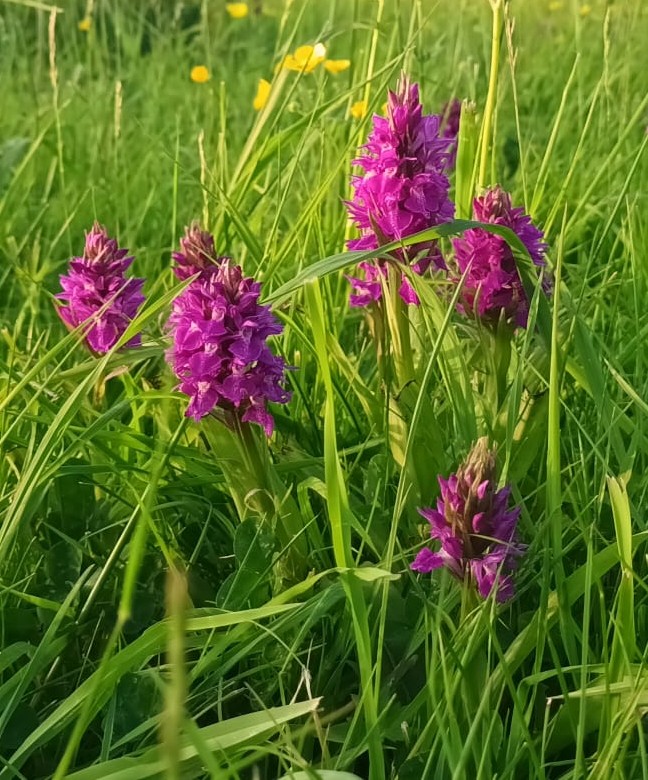
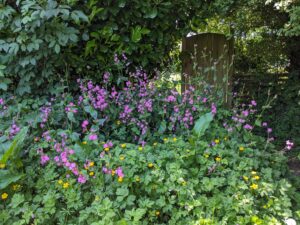
June Wildflowers – Many new wildflowers will be out for the month or even all summer long. These will include avens, poppies, cranesbills, vetches, knapweeds, purple loosestrife, trefoils, wild carrot, clovers and ragged robin.
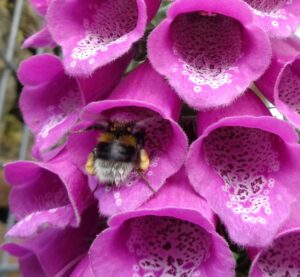
Our wildflower of June has to be the foxglove. A tall growing biennial native to open woodlands and scrub. A tower block of inviting flowers from pink to purple, to attract pollen-seeking bumble bees.
For traditional gardeners, summer means roses. In the wildlife garden, why not add native shrubs like field or dog rose. They require less attention than their cultivated counterparts but are better in providing nectar and hips for insects and birds.