Under the weather of rain and sun, April is the month where garden plants are covered in new shoots. The bulbs you planted last autumn will flower. The breeding season for resident birds is in full swing. Bird boxes and nests built into hedges or dense climbers are all occupied. Above you, visiting species bird such as house martins, swifts and swallows complete their epic migration from Africa.
If you want to be involved in your garden:
- Remove bird table and clean with water and mild disinfectant and store away until next winter. Keep your distance from nesting birds.
- Sow hardy annual seeds outdoors on a prepared area of garden to provide flowering nectar plants, such as sunflower, poppy and cornflowers, for the insects.
- Plant water plants in your pond, selecting the correct species for right depth of water. From April onwards, growth will be rapid, and plants will quickly establish.
- Plant new climbers such as honeysuckle in a location where they have enough growth to cover a wall, fence, or gap in a boundary hedge.
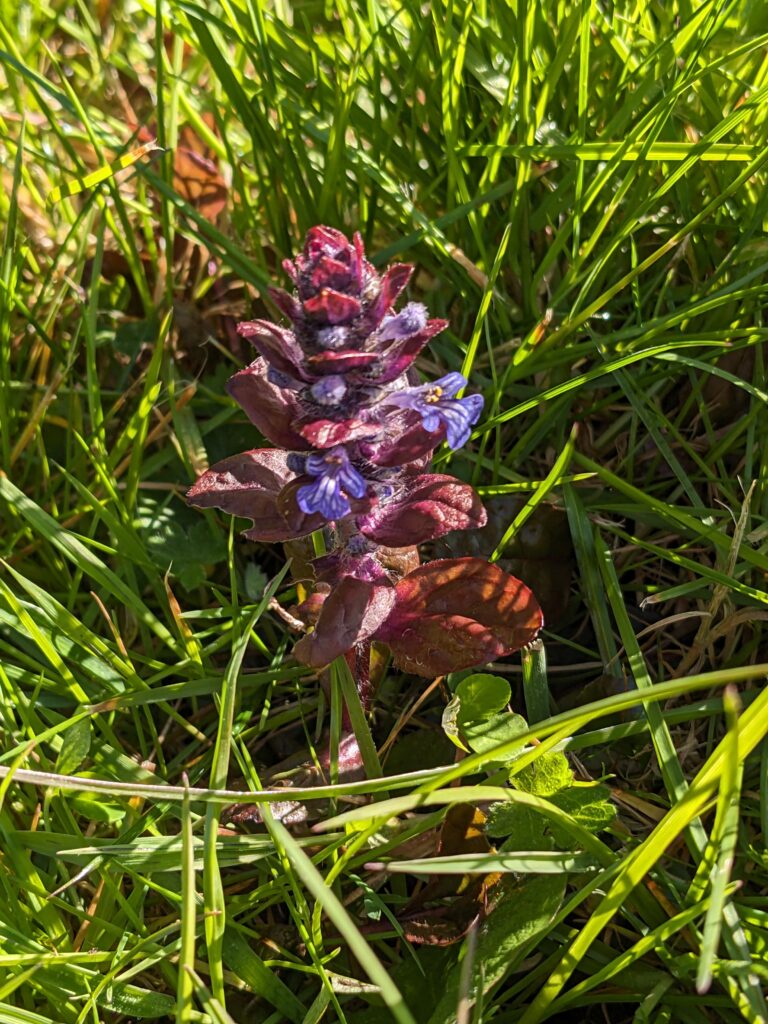
- April Wildflowers; Cowslips, bugle, greater stitchwort, ramsons, garlic mustard and if you are very lucky, early purple orchid. Our climbing plant of April has to be honeysuckle. Ideal for planting in gaps in garden borders and boundary hedges, this fast-growing climber is a woodland plant and copes well in shade. Their flowers will be visited by bees and moths. Berries will be eaten by birds. A true wildlife ‘hotel’.
- Allotment holders; plan to maximise your vegetable garden for both you and for wildlife, by companion planting. Grow species that complement each other when planted together, and those that don’t, keep apart. Companion plants will attract beneficial insects, repel others, or act as a sacrificial plant to lure slugs and caterpillars away. The Soil Association website has a detailed list of companion planting vegetables.